There are some pains people carry in silence.
Infertility is one of them.
In all my years reviewing books, I’ve read stories of heartbreak, ambition, illness, betrayal. But infertility feels different. It doesn’t always look dramatic from the outside. It shows up in small, invisible moments. A pause when someone asks, “Any good news?” A forced smile at a baby shower. A late night conversation where both partners stare at the ceiling instead of at each other.
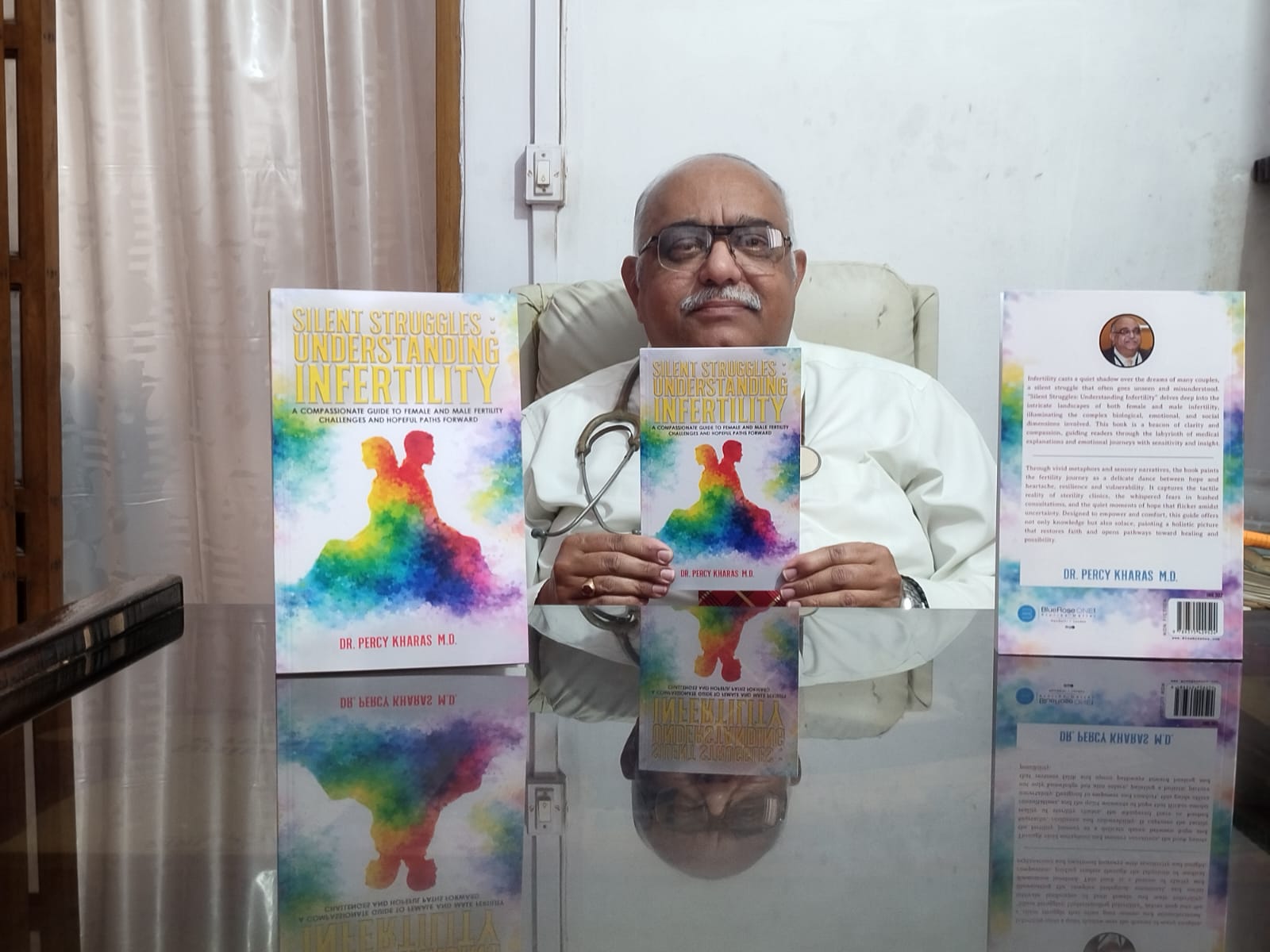
When I first came across Silent Struggles: Understanding Infertility by Dr. Percy Kharas, I paused. The title felt honest. Not exaggerated. Not sentimental. Just truthful. And sometimes that’s enough to tell you this book is not here to sensationalize pain, but to acknowledge it.
As someone who has reviewed hundreds of nonfiction books, especially health related ones, I’ve learned that the tone matters as much as the information. And what stands out here is restraint. This feels like a book written by someone who has sat across from anxious couples for decades and understands what those silences mean.
What Silent Struggles Is Really About?
If you’re wondering what this book is about in simple terms, here’s what I gathered.
Dr. Percy Kharas, a senior gynec consultant and pioneer in infertility treatment in Gujarat, has written a guide that addresses both female and male fertility challenges. And I want to emphasize that word: both.
Too often, infertility is unfairly placed on women. Socially. Emotionally. Sometimes even medically. What I appreciated immediately is that this book acknowledges infertility as a shared journey. Biology does not assign blame. Society sometimes does. This book seems to correct that imbalance.
The subtitle calls it “A Compassionate Guide to Female and Male Fertility Challenges and Hopeful Paths Forward.” Notice it doesn’t promise miracles. It doesn’t offer instant solutions. It offers understanding and direction. That feels responsible.
From the description, the book explains medical causes, diagnostic processes, and treatment pathways clearly. But it also speaks about emotional strain, cultural pressure, and the psychological toll. In my experience reviewing medical nonfiction, that balance is rare. Many books lean too heavily on technical jargon or, on the other side, vague reassurance. This one appears to attempt both clarity and empathy.
And Dr. Percy Kharas brings authority to the table. He has been leading a fertility hospital in Gujarat since the early 1990s and has contributed to national and international conferences. That kind of professional longevity matters. It means this is not theoretical advice. It comes from years inside consultation rooms.
Why it’s different?
The word that stayed with me throughout this review process is compassion.
The blurb mentions sensory narratives and metaphors. That tells me this isn’t just a manual explaining hormone levels and procedures. It likely attempts to describe what it feels like to sit in a clinic, waiting for test results. What it feels like when hope rises and falls month after month.
I’ve seen infertility up close. A close family friend struggled for years. What hurt them most wasn’t just the medical diagnosis. It was the silence around it. The unsolicited advice. The quiet blame directed at the woman. The pressure from extended family.
So when I read that this book addresses social and cultural dimensions, I felt relieved. Especially in India, where societal expectations around marriage and motherhood can be intense, this context is crucial.
The cover design also speaks volumes. Two figures, back to back, blending into vivid colors. To me, it suggests shared struggle yet individual loneliness. You can be together and still feel alone. I might be interpreting it personally, but strong visual symbolism usually reflects deeper themes.
Another thing I appreciated is the holistic tone. The book seems to integrate medical science with emotional support rather than treating them as separate categories. However, I will say gently that whenever a book speaks of hope and restoring faith, I look carefully. Hope must be grounded in reality. From what I gather, Dr. Kharas’s decades of clinical experience likely anchor that optimism in practical knowledge rather than vague positivity.
If there’s one small thing I would personally hope for, it would be structured takeaways at the end of chapters. Many readers navigating infertility are already emotionally overwhelmed. Clear summaries help. I’m not sure how the internal formatting is handled, but that could enhance readability.
The Core Concept
Infertility is often reduced to numbers. Hormone counts. Sperm motility percentages. Success rates. IVF cycles.
But numbers do not capture waiting.
They do not capture the strain on intimacy. The monthly cycle of anticipation and disappointment. The subtle emotional distance that can creep into a relationship when both partners are hurting but expressing it differently.
What I think Silent Struggles tries to do is give language to those unspoken feelings. To normalize them. To say, “This is hard. And you are not weak for finding it hard.”
In 2026, conversations about mental health are more open than they used to be. But fertility struggles still carry stigma, particularly in conservative communities. That makes this book feel timely. It doesn’t just explain treatment options. It acknowledges identity, dignity, and the psychological toll.
At the same time, I imagine some sections may feel emotionally heavy. When medical explanation meets personal pain, it can stir things. This might not be something you read casually on a Sunday afternoon. It may require emotional readiness.
But perhaps that is exactly what makes it important.
Who Should Read This Book?
If you and your partner are navigating infertility, this book could serve as a steady companion.
If you are a husband trying to better understand what your wife is going through physically and emotionally, I genuinely think this could be eye opening.
If you are a parent or in law who wants to respond with empathy rather than pressure, education can change your perspective.
Healthcare professionals early in their careers may also benefit. Medical training often emphasizes diagnosis and treatment. Compassionate communication is equally critical. Learning how to sit with someone’s pain without minimizing it is a skill.
However, if you are looking for a dense academic textbook packed with citations and complex research graphs, this may feel more narrative driven. And if you prefer purely memoir style storytelling without medical explanation, you may find parts technical.
This is written by a practicing gynec consultant. The authority comes from experience.
Final Thoughts
Writing this review, I kept thinking about how much courage it takes to address infertility openly.
Dr. Percy Kharas has spent decades in Gujarat helping couples navigate this terrain. His credibility builds trust. But beyond credentials, what feels meaningful here is intention.
The intention to balance medical clarity with emotional sensitivity.
The intention to address both male and female infertility.
The intention to reduce stigma instead of reinforcing it.
Is the book flawless? I’m not sure. Every reader’s needs differ. Some may want more case studies. Others may want more simplified explanations. That depends on how deeply one wants to engage.
But overall, Silent Struggles feels grounded. It does not dramatize suffering. It does not offer unrealistic promises. It appears to offer something steadier. Understanding.
And sometimes, in deeply personal battles, that is exactly what people need.

